Source non shedding dental micro brushes for Filling, Bonding, and Polishing
Compare 30 listings of non shedding dental micro brushes from verified Chinese manufacturers. Buyers can evaluate specifications like tip size, material, and packaging options for dental preventive care, filling, and polishing applications; compare the available evidence and request quotations based on your requirements.
Key considerations
Products List







Comprehensive Sourcing Guide
Non Shedding Dental Micro Brushes Sourcing Guide
Procuring non-shedding dental micro brushes requires a disciplined approach to verifying fiber integrity and tip precision, as these attributes directly impact clinical outcomes in restorative and preventive care. Buyers must prioritize suppliers who explicitly define their fiber composition, ensuring the material is non-absorbent and lint-free to prevent contamination during sensitive procedures such as bonding, filling, or denture processing. The observed market signals indicate a wide variance in product specifications, ranging from regular to superfine tips, which necessitates careful alignment with specific departmental needs, whether for oral health or general dental applications.
Commercial terms and packaging structures vary significantly across listings, with observed minimum order quantities spanning from single units to large bulk orders of ten thousand pieces. This variability suggests that buyers should evaluate their consumption rates against supplier MOQs to optimize inventory costs without risking stockouts. Additionally, the presence of customization options and OEM services allows clinics and distributors to tailor product branding and packaging, but this requires early engagement with manufacturers to confirm lead times and technical feasibility, ensuring that custom specifications do not compromise the core functional integrity of the micro brushes.
Product Scope and Observed Listing Signals
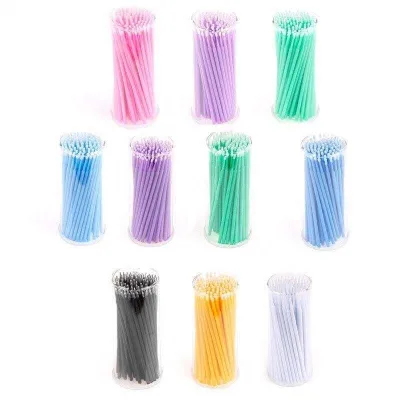
The current market landscape for dental micro applicators reveals a diverse array of models, including specific designations like micro applicator, TA601, and BF-MBA, each catering to distinct procedural requirements. Listings frequently highlight color-coded tips—such as blue, yellow, pink, purple, white, and black—which serve as critical visual aids for clinicians to differentiate between regular, fine, and superfine tip sizes during complex treatments. These color distinctions are not merely aesthetic but are essential for maintaining workflow efficiency and reducing the risk of using the wrong applicator size for specific dental materials or patient anatomies.
Packaging configurations observed in the market range from individual barrels containing one hundred pieces to bulk cartons holding dozens of boxes, with some listings specifying weights and carton dimensions for logistics planning. The nature of these products is categorized as specialized or shared instrument equipment, indicating their versatility across different clinical settings. Buyers should note that while some products are marketed for dental and salon applications, others are strictly for oral health departments, requiring careful verification of the intended use case to ensure compliance with internal clinical protocols and regulatory standards for medical device usage.
Technical Specifications to Verify
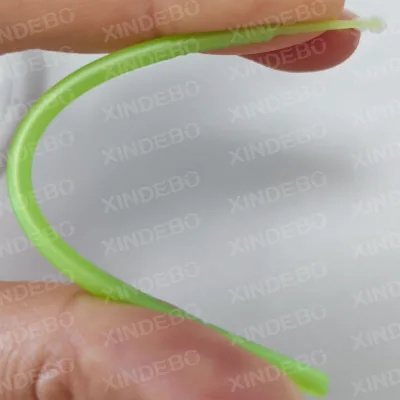
Tip diameter and length are the most critical technical parameters to verify, with observed specifications including diameters of 3mm and 4mm, and lengths around 100mm, though finer tips may measure as small as 1mm for superfine applications. Buyers must confirm the exact tip geometry, whether it is cylindrical or tapered, and ensure that the fiber density meets the non-shedding requirement, which is vital for preventing particulate contamination in bonding and polishing procedures. The bendable neck feature, often highlighted in product descriptions, adds ergonomic value by allowing access to hard-to-reach areas, but its durability under stress should be validated through sample testing before committing to large orders.
Material composition is another key verification point, with listings citing plastic, silicone, paper, metallic, bamboo, and resin components. While the handle material affects grip and comfort, the tip material determines absorbency and lint generation; non-absorbent fibers are preferred for precise application of bonding agents and preventive care materials. Buyers should request detailed material safety data sheets to ensure that all components, including adhesives used in tip attachment, are biocompatible and suitable for intraoral use, thereby mitigating risks of allergic reactions or chemical leaching during prolonged clinical exposure.
Compliance and Safety Documentation
Regulatory compliance is paramount when sourcing dental micro brushes, with CE certification being a common requirement for market access in many regions. Buyers must verify the specific certification numbers, such as CE0197, and cross-reference them with official databases to ensure validity and scope. Additionally, ISO13485 and ISO9001 certifications indicate robust quality management systems, which are essential for consistent product quality and traceability. These certifications provide assurance that the manufacturing processes adhere to international standards for medical devices, reducing the risk of supply chain disruptions due to regulatory non-compliance.
Beyond certifications, buyers should request comprehensive documentation including batch testing reports and biocompatibility assessments to validate the safety of the materials used. The presence of BV company authentication further supports the credibility of the supplier’s quality claims, but it should be complemented by independent laboratory test results for fiber shedding and tensile strength. Ensuring that all documentation is up-to-date and readily available is crucial for maintaining audit readiness and protecting the clinic or distributor from liability in the event of a product-related adverse event.
Cost Drivers and Commercial Terms
Pricing for dental micro brushes is influenced by several factors, including tip fineness, material quality, and packaging complexity, with observed price ranges reflecting these variations. Buyers should analyze the cost per unit in the context of the minimum order quantity, as higher MOQs often yield better per-unit pricing but require greater storage capacity and capital outlay. The availability of free samples is a valuable commercial term that allows buyers to assess product quality without financial risk, enabling informed decision-making before committing to bulk purchases.
Shipping times and logistics costs also play a significant role in total procurement expenses, with lead times ranging from seven to sixty days depending on order size and supplier location. Buyers in regions with strict import regulations should factor in potential customs delays and associated fees when planning inventory replenishment. Negotiating clear terms for packaging, such as barrel or bag configurations, can also impact handling efficiency and waste reduction, so aligning packaging specifications with internal workflow requirements is a strategic step in optimizing overall procurement costs.
Supplier Qualification and Quality Control
Supplier qualification begins with verifying the place of origin, with listings indicating production in Jiangsu and Anhui provinces in China, regions known for medical device manufacturing. Buyers should assess the supplier’s production capacity and quality control processes to ensure consistent output, particularly regarding the non-shedding characteristic of the fibers. Requesting references from existing clients and reviewing audit reports can provide insights into the supplier’s reliability and adherence to quality standards, helping to mitigate the risk of receiving substandard products.
Quality control measures should include incoming material inspections and finished product testing for fiber integrity and tip attachment strength. Buyers should establish clear acceptance criteria for defect rates and ensure that the supplier has a robust process for handling non-conforming products. Regular communication and periodic audits can help maintain high quality standards over time, fostering a partnership that prioritizes product safety and clinical efficacy. Engaging with suppliers who offer OEM services can also enhance brand differentiation, provided that quality control remains uncompromised during the customization process.
Long-Term Procurement Checks
Long-term procurement success depends on continuous monitoring of product performance and supplier reliability, requiring buyers to establish key performance indicators for delivery times, defect rates, and customer feedback. Regularly reviewing these metrics allows for proactive identification of issues and timely intervention to maintain supply chain stability. Buyers should also stay informed about regulatory changes and industry standards that may impact product requirements, ensuring that their procurement strategies remain compliant and competitive over time.
Building a diversified supplier base can mitigate risks associated with single-source dependencies, allowing for flexibility in sourcing and negotiation. Periodic re-evaluation of supplier contracts and pricing structures ensures that buyers continue to receive value for money while maintaining high quality standards. Additionally, providing feedback to suppliers on product performance can drive continuous improvement and innovation, leading to better products that meet evolving clinical needs. By maintaining a strategic and evidence-based approach to procurement, buyers can secure a reliable supply of non-shedding dental micro brushes that support optimal patient care and operational efficiency.
FAQs
What certifications do these dental micro applicators hold?
These dental micro applicators hold CE certification and comply with ISO 13485 and ISO 9001 standards. They also feature BV company authentication to ensure quality. This documentation confirms their suitability for professional dental and salon applications, providing buyers with verified safety and manufacturing compliance for their procurement needs.
Can these brushes be customized for specific dental needs?
Yes, customization is available for these specialized instrument equipment items. Buyers can request specific tip sizes ranging from regular to superfine, with diameters of 1mm, 1.5mm, or 2mm. The OEM service allows for tailored solutions, ensuring the brushes meet precise clinical requirements for denture processing, filling, and preventive care materials.
What is the typical shelf life of these disposable brushes?
The shelf life for these disposable dental micro brushes is typically three to five years. This duration ensures long-term storage stability without compromising the integrity of the non-absorbent, non-linting fibers. Buyers can rely on this extended validity for inventory management, ensuring the products remain effective for various dental applications upon use.
How are these micro applicators packaged for bulk orders?
Packaging options include 100 pieces per barrel or bag, with four barrels per box. Bulk cartons contain either 32 or 40 boxes, depending on the specific model. The carton size is approximately 49 by 40 by 26 cm, weighing 16 kg. This standardized packing facilitates efficient shipping and storage for dental suppliers.
Which departments can use these dental micro brushes?
These brushes are applicable to both the Oral Health Department and the Dental Department. They serve as specialized instrument equipment for various procedures, including denture processing, bonding, and orthodontic materials. Their versatile design supports dental preventive health care, making them suitable for a wide range of clinical and salon environments.
What is the minimum order quantity for these brushes?
The minimum order quantity is 280 bottles for certain models. However, observed MOQ ranges from 1 to 10,000 units across different suppliers. Buyers should verify specific MOQ requirements with manufacturers, as packaging configurations like 100 pieces per barrel may influence the total unit count required for initial procurement orders.